


Exhibitions
HIROSHI SUGIMOTO: EXTINCTION
Date
-Location
Special Exhibition Gallery (1st floor)
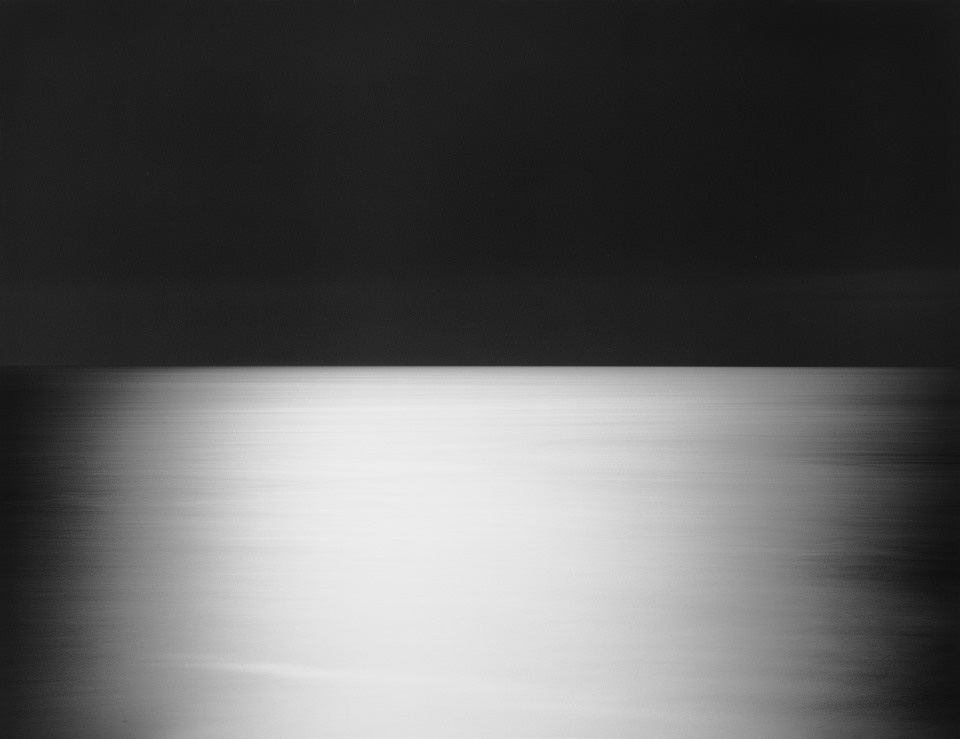
Hiroshi Sugimoto, Bay of Sagami, Enoura, 2025 © Hiroshi Sugimoto / Courtesy of Gallery Koyanagi
Exhibition Overview
Hiroshi Sugimoto (1948-) is a multidisciplinary contemporary artist. Active in the field of architecture—most notably with the Enoura Observatory in Odawara—he has also staged classical Japanese performing arts in Europe, the United States and Japan. Calligraphy, ceramics, waka poetry, cooking—his range is extensive. However, the point of origin for all Sugimoto’s art is gelatin silver photography. Based on rigorous conceptual thinking and originality of expression, Sugimoto’s photographic works stand at the very pinnacle of gelatin silver technique. But now, as film makes way for digital, the gelatin silver process itself is endangered and at real risk of “extinction.”
This exhibition will feature approximately 60 gelatin silver photographs from Sugimoto’s early days in the late 1970s all the way up to the present day. It is the large-scale solo exhibition of Sugimoto’s photographs to be held in Japan since his 2005 exhibition at the Mori Art Museum, Tokyo.
A satellite exhibition featuring all of Sugimoto’s works from the museum’s own collection along with the Sugimoto Notebooks¹ which reveal the secrets of his process, will be held in parallel in the MOMAT Collection Gallery on the museum’s third floor.
Note 1: The Sugimoto Notebooks are notebooks with jottings covering the processes for the photographing and developing of Sugimoto’s works. The earliest notebooks date from the latter half of the 1970s.
Exhibition Structure and Highlights
All 13 photographic series, from Sugimoto’s early days to his most recent works, arranged in three chapters
Drawing on 13 of Hiroshi Sugimoto’s photographic series, this exhibition traces the evolution of his artistic universe following a loose chronological sequence.
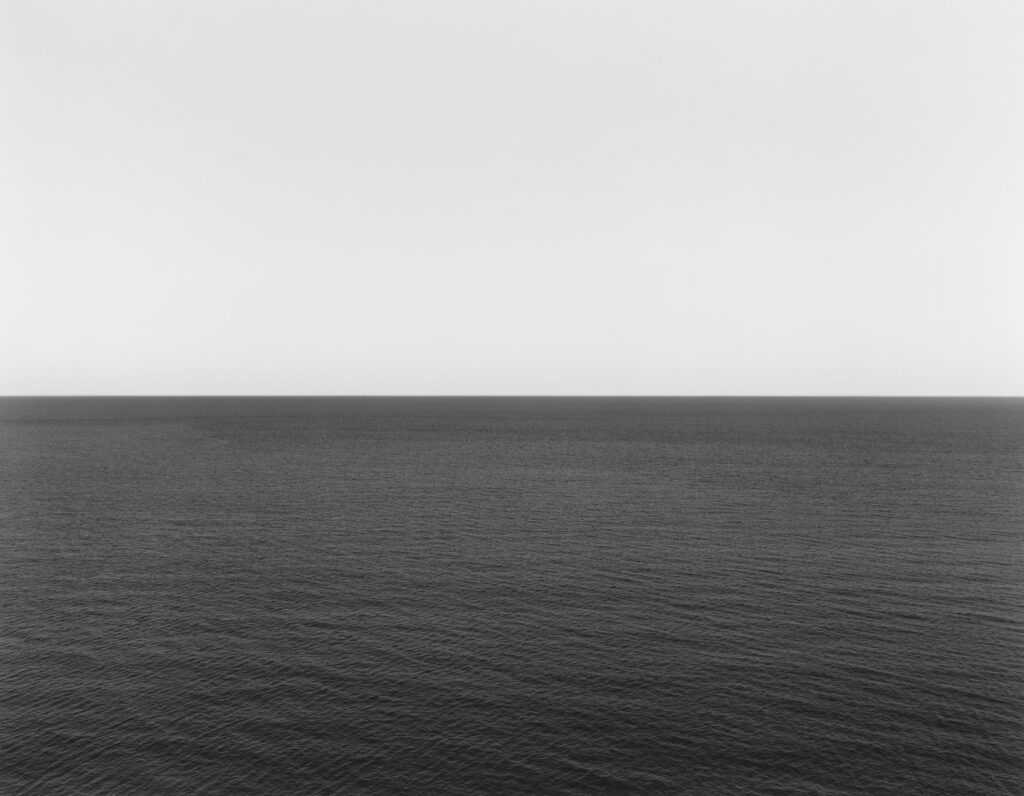
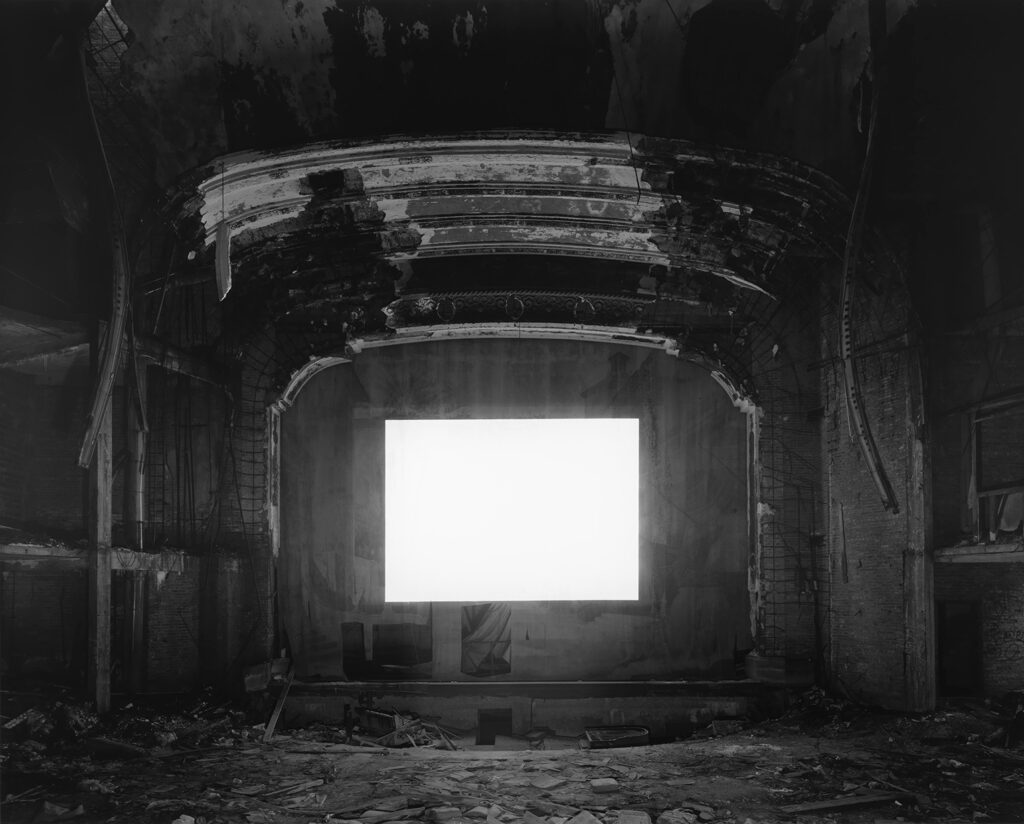
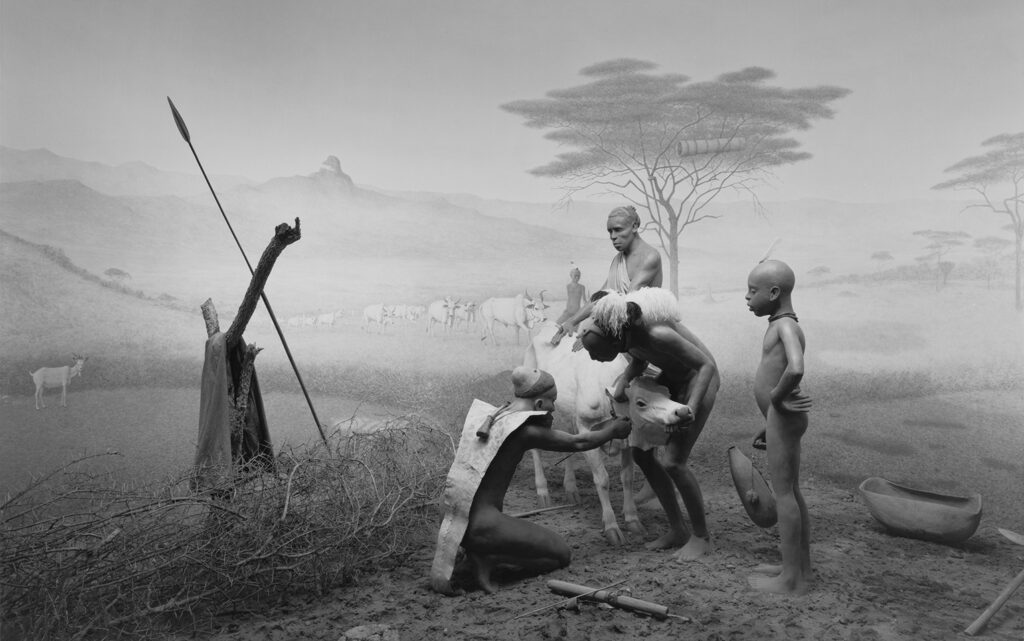
Chapter One: “Time, Light and Memory” presents the origins of Sugimoto’s artistic universe through “Dioramas,” “Theaters” and “Seascapes.” These three series, all of which were started in the 1970s and 1980s, established Sugimoto’s reputation.
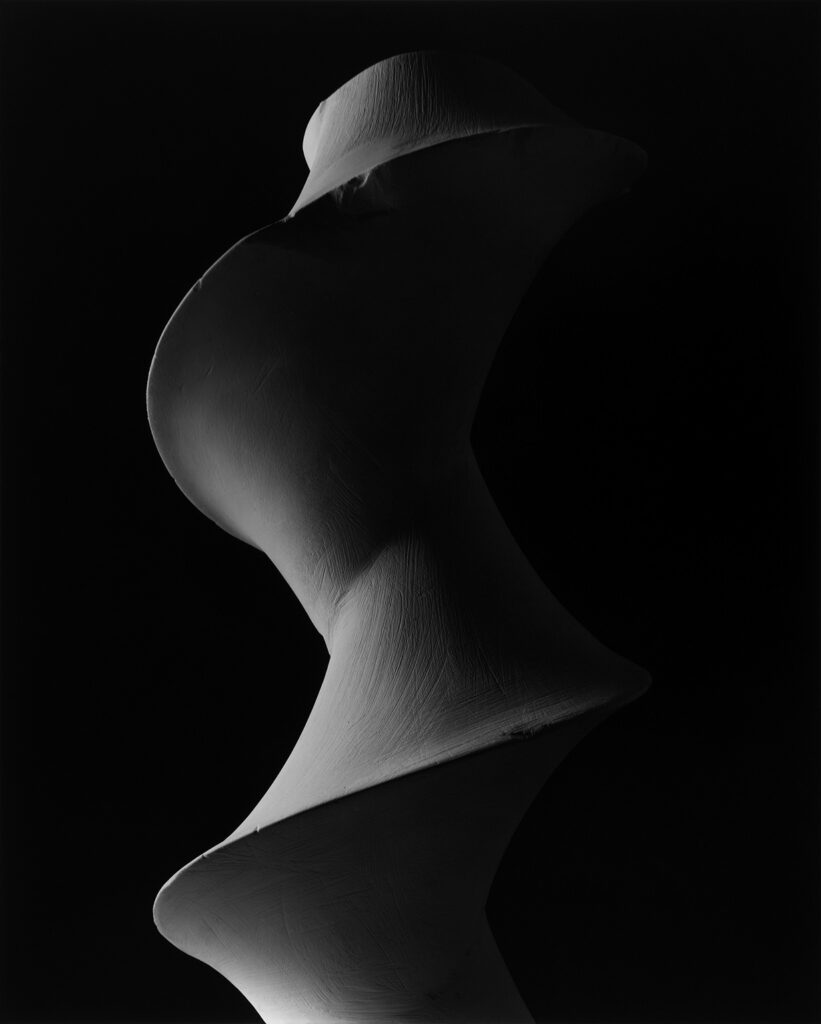
Chapter Two: “Conceptual Forms” presents the process of the expansion and deepening of Sugimoto’s artistic universe through series such as “Conceptual Forms” and “Stylized Sculpture,” which were begun at the end of the 1990s and take the variety of forms produced by the human intellect and imagination as their subject.
Chapter Three: “Extinction” explores Sugimoto’s evolving vision of the “extinction” he foresees. It is composed of six series which go all the way back to the origins of soon-to-be extinct silver gelatin photography, from “Pre-Photography Time-Recording Device” and “Photogenic Drawing” to the more recent “Opticks.”
New Works Exhibited for the First Time
New additions to “Dioramas” and “Seascapes,” Sugimoto’s famous early series, and the later “Stylized Sculpture,” will go on display for the first time. The addition of several new works, such as Pokot, to “Dioramas,” Sugimoto’s celebrated debut work, is of particular note. With this new configuration, a profound visual account of human history—secretly conceived at the start of the series in 1975 and taking over half a century to achieve full realization—will be go on show for the first time.
About “Extinction”
Extinction is a theme that emerged from Sugimoto’s contemplation of the imminent demise of silver gelatin media and of the imminent cessation of his own activities as an artist. His vision of extinction does not, however, end there. So what else is facing extinction? Look out for “extinction” as a theme that runs like a basso continuo throughout this exhibition surveying the entirety of Sugimoto’s oeuvre, which has broadened and deepened the expressive possibilities of photography as a medium over the last half century.

Biography
Born in 1948. Moved to the United States in 1970, and from 1974 started producing work while shuttling back and forth between New York and Japan. His early best-known photographic series are “Dioramas,”“Seascapes” and “Theaters.” He founded an architectural practice, New Material Research Laboratory, in 2008, and established Odawara Art Foundation in 2009, before opening Enoura Observatory in 2017, a cultural complex that took 10 years from conception to completion. At The Hawk’s Well, a dance production he directed and set-designed was performed at the Opéra National de Paris in 2019. His publications include Time Exposed, Utsutsu Na Zo, Origins of Art, Enoura Kitan and Kagero Nikki. Awards include the Hasselblad Foundation International Award in Photography (2001); the Praemium Imperiale for painting (2009); and the Medal with Purple Ribbon (2010). He was made an Officier de L’Ordre des Arts et des Lettres in France in 2013, selected as a Person of Cultural Merit in Japan in 2017, and elected as a member of the Japan Art Academy in 2023.
Exhibition Catalogue
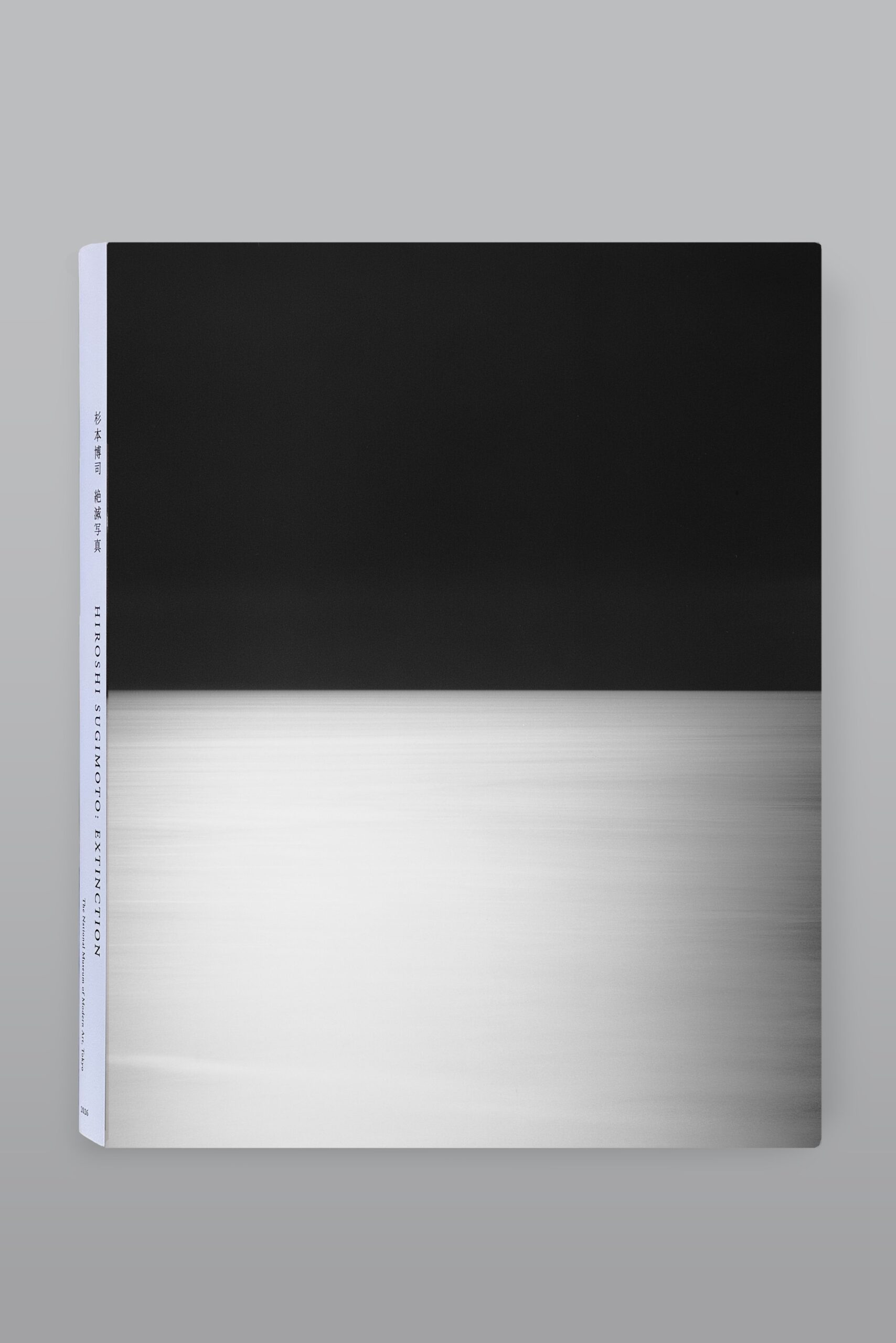
HIROSHI SUGIMOTO: EXTINCTION
Date of Issue: June 15, 2026
Price: 4,400yen(including tax)
Size and Number of Pages: A4 variant, paperback, 212 pages.
Languages: Japanese-English bilingual
Publisher: Nikkei Inc.
Contents
Greetings
Memories of Blinding Radiance——My Early Trilogy
Hiroshi Sugimoto
Extinction and Takebashi
Masuda Rei
Unnameable Images——Undifferentiated Forms in the Photography of Hiroshi Sugimoto
Kobayashi Sayuri
Plates
Chapter 1 | Time, Light and Memory
Dioramas
Theaters
Kegon Waterfall
Seascapes
Chapter 2 | Conceptual Forms
Architecture
Stylized Sculpture
Conceptual Forms
Chapter 3 | Extinction
Pre-Photography Time-Recording Device
Photogenic Drawing
Portraits
Lightning Fields
Opticks
In Praise of Shadow
Series Commentaries
Biography
Selected Bibliography
List of Works
Hours & Admissions
- Location
-
Special Exhibition Gallery (1st floor)
- Date
-
June 16 – September 13, 2026
- Closed
-
Mondays (except July 20) and July 21
- Time
-
10 am–5 pm (Fridays and Saturdays open until 8 pm)
- Last admission: 30 minutes before closing.
- Admission
-
Adults ¥2,300 (¥2,100)
College/University Students ¥1,200 (¥1,000)
High School Students ¥700 (¥500)
- All prices include tax.
- Admission in the parentheses is for advance tickets and groups of 20 people or more.
- Admission is free for individuals aged 15 and under, and individuals with a disability plus one companion. ID is required.
- Students and staff at universities enrolled in the Campus Members program can show student/staff ID to get the group discount.
- Includes admission to the Collection Exhibitions.
- Tickets
-
Buy advance tickets online via e-tix from April 21 to June 15.
Same-day tickets are available in person at the ticket counter or online via e-tix from June 16.
- Organized by
-
The National Museum of Modern Art, Tokyo, Nikkei Inc.
- Special Sponsored by
-
DIOR
- Sponsored by
-
Seiko Group, SunM Color
- With the Special Cooperation of
-
Odawara Art Foundation, Gallery Koyanagi